TestoPrime Review
Last updated: June 9th 2026
It’s very important for your health as a man to take your testosterone levels seriously. Normalized levels – broadly speaking, somewhere between ~15–35 nmol/L – will mean normalized metabolic health, musculoskeletal integrity, sexual function, cognitive clarity, and overall vitality [1-3]. If you’re trying to stay in shape, going to the gym or playing any kind of sports, chronically low (or even slightly impaired) testosterone levels will often present as sluggish recovery, reduced power output, loss of lean mass, creeping fatigue, and often stubborn body fat [3-5]. Sexual health frequently suffers too, with reduced libido and poorer fertility markers [6].
It’s common enough to see testosterone levels decline naturally as we age, beginning for most of us around the age of thirty. However, this decline can be accelerated by various modern lifestyle factors, including poor sleep, chronic stress, obesity, physical inactivity, and micronutrient deficiency [1,2,7-10].
Happily, though, this decline can be arrested, or even reversed. There is plenty we can do to naturally boost healthy testosterone output. This includes regular resistance training, maintaining a healthy body composition (lower body fat levels, higher muscle mass), getting enough good quality sleep, managing stress levels, taking in sufficient dietary protein and fats from non- ultra processed food sources, and taking in a wide array of vitamins and minerals [8–12].
Natural testosterone boosters like TestoPrime can also play a role. They are adjuncts to these fundamentals, working best when you have everything in your life geared towards healthy testosterone output.
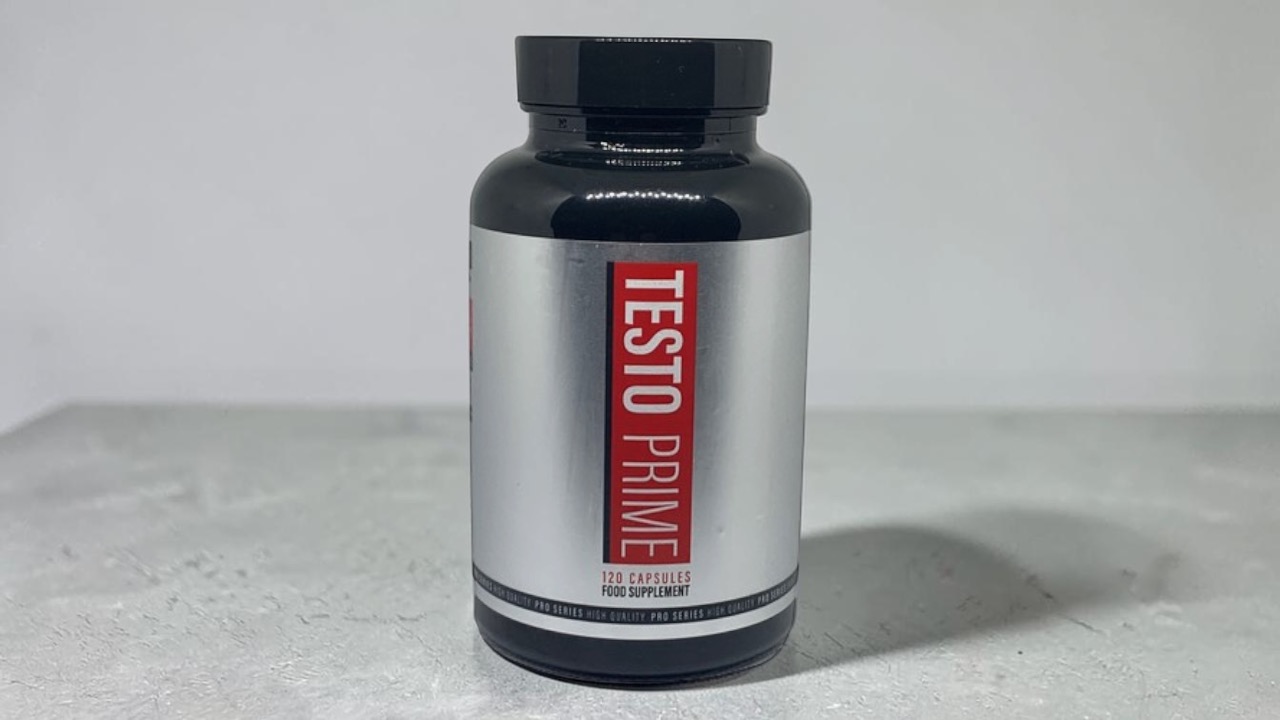
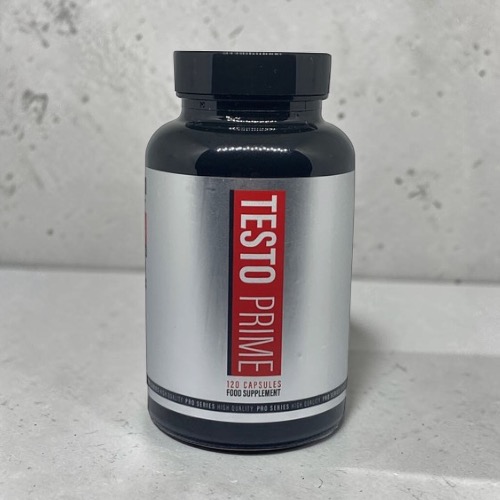
TestoPrime itself has only been around for 4 or 5 years, but it's become fairly well known, but how does it compare to the best products currently available?
Published by Brand Partners. Testogen is owned by the same people, so this is our own comparison, rather than an independent review. We believe it's one of the best options available, which is why we recommend it below.
TestoPrime
Formula Rating
Overall Verdict
Testogen
Formula Rating

How we rate product formulas. Our formula rating looks only at the formulation: how each active is dosed compared with the amounts used in published human studies, the form it comes in, whether its actives have published human research, how openly the label discloses what's inside, and how clean the formula is of unnecessary fillers. It does not score price or how well a product works for any individual. Data is taken from the product's current label and the available scientific research. A higher score means a formula that is more fully dosed, in better-studied forms, and more transparently labeled, not a promise of any result.
Quick Decision Guide: Mars Men vs Our Top-Rated Testosterone Booster (Testogen)
Criteria | Testoprime | Testogen |
|---|---|---|
Formula Rating | 74%
Fill Counter
| 90%
Fill Counter
|
Main Benefits | General testosterone support | Supports increases in T-levels. Notable increase in energy, increased drive, libido, supports muscle growth. |
Scientific Backing | Overall good for some ingredients/dosages, but some dosed lower than ideal | Strong, high doses and premium ingredient forms, clean label ingredients |
Formula Complexity | Mid-level, some key ingredients not present | High, scientifically proven approach |
Brand Reputation Concerns | Generally good | None, praised for efficacy |
Commitment Time For Results | Weeks to months | Weeks, consistent use recommended for best results |
User Reviews | Mixed reviews | Predominantly positive reviews |
Formula Complexity | Some ingredients underdosed, some ingredients omitted | Clear information on dosages (transparent label information) |
Potential Side Effects | Low risk | None, well-tolerated |
Customer Support & Returns Policy | Good return options available | Excellent, with 60 day money-back guarantee |
Product Availability | Online only | Available through the official site only |
Additional Benefits | None | Clean ingredient profile |
Cost | Mid-range | Mid-range |
Serving Size | 4 capsules | 4 capsules |
Servings Per Container | 30 | 30 |
Price |
What Is TestoPrime?
TestoPrime is an all-natural testosterone booster – that is, it’s a supplement made from natural ingredients aimed at both improving your body’s natural testosterone output whilst also mitigating some of the side effects often associated with low testosterone levels. This means it should help to improve muscle growth and fat loss, boost libido, and support energy levels.
However, plenty of products promise to do all of this, and plenty are… underwhelming, to say the least. So, what, if anything, sets TestoPrime apart?
Well, a cursory glance at its ingredients list is quite cheering. Its ingredient list immediately suggests a more serious attempt at addressing testosterone physiology rather than relying on the kinds of snake oil or irrelevant ingredients you see in other, lesser products.
Taken together, these ingredients offer some great direct and indirect testosterone support. Some, such as D-aspartic acid (DAA) and fenugreek, may influence hormonal signalling or free testosterone in specific contexts, thought benefits can be quite modest or short-lived [21,32]. Others, including ashwagandha and ginseng, primarily support stress reduction, energy, and libido, which strongly influence androgen health over time – there is an inverse correlation between the stress hormone cortisol and testosterone production [17,18,20]. Vitamins and minerals like vitamin D and zinc matter most when correcting deficiencies (you will see immense improvements if you’re deficient, but next to no result if you’re not), whilst bioavailability like as black pepper simply help other compounds work more effectively [5-7,13-15,26].
That said, while the ingredient selection is strong, precise dosing information is frustratingly difficult to obtain, which introduces uncertainty regarding whether those ingredients are present at clinically meaningful levels [27,28]. A fly in the ointment.
TestoPrime Claims and My Assessment
TestoPrime makes quite a few claims, all of them obviously related in some way to testosterone and/or broader hormonal health and wellbeing. Depending on your personal circumstances (and any vitamin or mineral deficiencies you have), these claims pretty much all check out.
Firstly, of course, we have testosterone support. It wouldn’t be much of a testosterone booster otherwise. And it’s a good one, with several plausible mechanistic bases for testosterone support. For instance, I always like to see DAA in any good testosterone focused compound: it has shown great promise in stimulating luteinizing hormone signalling in some populations. Similarly, vitamin D and zinc are essential for normal testosterone production, yet many of us are deficient in them. Correcting these deficiencies should be the first job of any good testosterone booster, and TestoPrime has it covered [5-7,13-16].
Then there are the ancillary support systems in place – ingredients included to overcome some of the common side effects associated with low testosterone levels.
This begins with stress, vitality, and energy. This is one of TestoPrime’s strongest areas – these are all pretty big issues for me. KSM-66 ashwagandha and Panax ginseng have solid human evidence for reducing stress, fatigue, and perceived exertion, all of which indirectly protect testosterone by limiting chronic cortisol output [17-20].
Then there is body composition. Broadly speaking, we’re talking at muscle gain and fat loss, here, both of which are hard, or nigh impossible, without healthy testosterone levels. TestoPrime contains no pharmacological agents capable of directly increasing muscle mass or accelerating fat loss [4,5]. Really, you’re looking at the fact that the formula should reduce stress levels (and thus cortisol) whilst bolstering testosterone output; these should be some of your most potent allies in improving body composition.
Testosterone is key to maintaining libido and sexual health. As a result, it’s always nice to see a good testosterone booster also including ingredients aimed at boosting both. In TestoPrime, this mostly comes from fenugreek, pomegranate, and garlic extract, which when taken together may support libido and erectile function via improved blood flow and androgen signalling, separate to the fact to any boosts you might see to your testosterone levels [21-25].
TestoPrime Ingredient Review – Scientific Assessment
Vitamin D3 (26.68 mcg), Vitamin B6 (5.6 mg), Vitamin B5 (8 mg), Zinc (40 mg), D-Aspartic Acid (2,000 mg), Fenugreek Seed Concentrated Extract 4:1 (200 mg), Green Tea Extract 75% catechins (200 mg), KSM-66 Ashwagandha Root Extract (55.68 mg), Panax Ginseng Concentrated Extract 8:1 (50 mg), Garlic Extract allicin 11,000 ppm (16 mg), Pomegranate Extract 40% ellagic acid (8 mg), Black Pepper Extract 95% piperine (6.68 mg).
Other Ingredients: Hydroxypropyl Methylcellulose, Microcrystalline Cellulose, Silica, Magnesium Stearate, Maltodextrin.
With regards the science behind testosterone boosters, it’s helpful to bear a couple of things in mind. Testosterone levels naturally decline as men age due to slower hormone signalling between the brain and testes, reduced testicular output, and changes in how testosterone is carried and used in the body [1,2]. This process is often made worse by modern lifestyle factors such as excess body fat, poor sleep, lack of physical activity, and ongoing stress – issues that typically have a much bigger impact on testosterone levels than supplements alone [3,8,10-12,16]. These are the main things you will want to effect before looking into testosterone boosters at all; the only reason I use them is that I’ve optimised most of these, with stress levels being the one thing I haven’t. This all in place, the ingredients in TestoPrime work incredibly well for me in a very marginal way.
The first notable ingredient really is D-aspartic acid (DAA). It’s one of the only ingredients going with proven influence on upstream hormonal signalling, temporarily increasing luteinising hormone (LH) and testosterone in some men. However, as with many ingredients you’ll find in testosterone boosters, its influence can be highly context dependent. Specifically, untrained and/or lower testosterone men will typically do well on it, whilst trained and/or hormonally healthy men will see little to no sustained benefit [32].
Ashwagandha is one of my favourite all-time supplements, and I always like to see high quality sources in any good testosterone booster. Happily, TestoPrime uses the industry-standard KSM-66 ashwagandha, a very high-quality form. Ashwagandha has a stronger and more consistent evidence base, though its mechanism is indirect. Multiple trials show significant reductions in perceived stress and cortisol, which shares something of an inverse correlation with testosterone (the higher your cortisol levels, the lower your testosterone levels, and vice versa) [17,18,33].
Therefore, by improving stress resilience, sleep quality, and overall neuroendocrine balance, ashwagandha may help preserve normal testosterone production, particularly in those suffering with chronic stress and/or anxiety [8,12].
Panax ginseng plays a similar, supporting role. Evidence is limited for its effect on increasing testosterone directly. However, ginseng reliably improves fatigue, libido, and subjective vitality, which are all key downstream markers of androgen function [20]. These effects mean a lot, as declines in sexual desire and energy often precede measurable hormonal changes [1,2].
Fenugreek is perhaps a little more direct. Human trials are promising with regards its effects on hormone-binding globulin (SHBG). Likely because of this, human trials have suggested that fenugreek may increase free testosterone, though its effects on total testosterone may be less profound. Likely, it reduces hormone binding and increases bioavailability, which in itself could be an impressive benefit [21]. This might all explain why improvements in libido and performance are sometimes observed even when serum testosterone changes are modest.
Compounds rich in antioxidants, such as green tea catechins (EGCG) and pomegranate extract act, work primarily through vascular and cellular protection pathways. Oxidative stress can hold up Leydig cell function; in turn, decent antioxidant support may help preserve existing testosterone production [2,29]. However, any claims linking EGCG with meaningfully suppressing DHT in humans are speculative – we should be cautious in interpreting them [29]. Pomegranate shows stronger evidence for improving endothelial function and erectile quality, enhancing sexual performance independently of hormonal shifts [23,24].
Vitamin D and zinc are firmer foundations for androgen health. They are both essential for normal hormone health, including testosterone synthesis and receptor signalling. Supplementing with them will only generally be effective, however, when you’re correcting a preexisting deficiency rather than pushing levels beyond physiological norms [5-7,13-15]. This kind of deficiency is common enough, however, especially in those with lower testosterone output, and with higher body fat percentages [6,7,16].
There are plenty of auxiliary ingredients included in TestoPrime’s formula. Garlic extract is a particularly interesting one: it has been show to support testosterone output in animal trials, possibly through antioxidant and testicular enzyme pathways. However, human data are limited, so we can’t say anything for certain for the moment [22,25].
Finally, black pepper extract (piperine) does not influence testosterone directly but plays a ole in improving the absorption and bioavailability of other compounds within complex formulas [26].
It’s a good list; the ingredients it offers are all perfect for playing supporting roles in testosterone management. They have been variously linked to stress management, nutrient sufficiency, vascular health, and hormonal signalling – everything, basically, that we’re looking for in a solid testosterone booster.
None of them are substitutes for foundational drivers of testosterone. You will need good quality sleep, and enough of it, alongside a resistance training regime, proper weight management, and good metabolic health, if you’re to properly optimise testosterone output. With these all in place, however, supplements like TestoPrime have their place [8,10-12,16,30].
TestoPrime - Pros and Cons
Cons
Main Side Effects and Issues
TestoPrime
Formula Rating
Overall Verdict
Testogen
Formula Rating
Overall Recommendation
There are some genuinely brilliant products out there, some great testosterone boosters. TestoPrime is a good product overall, but in our view its formula is a step behind Testogen.
References
- Harman, S. M., Metter, E. J., Tobin, J. D., Pearson, J., & Blackman, M. R. (2001). Longitudinal effects of aging on serum total and free testosterone levels in healthy men. The Journal of Clinical Endocrinology & Metabolism, 86(2), 724–731. https://doi.org/10.1210/jcem.86.2.7219
- Cheng, H., Zhang, X., Li, Y., Cao, D., Luo, C., Zhang, Q., & Jiao, Y. (2024). Age-related testosterone decline: Mechanisms and intervention strategies. Reproductive Biology and Endocrinology, 22(1), 144. https://doi.org/10.1186/s12958-024-01316-5
- Molina-Vega, M., Muñoz-Garach, A., Damas-Fuentes, M., Fernández-García, J. C., & Tinahones, F. J. (2018). Secondary male hypogonadism: A prevalent but overlooked comorbidity of obesity. Asian Journal of Andrology, 20(6), 531–538. https://doi.org/10.4103/aja.aja_44_18
- Cleveland Clinic. (2023). Low testosterone (male hypogonadism).https://my.clevelandclinic.org/health/diseases/15603-low-testosterone-male-hypogonadism
- Abu-Zaid, A., Saleh, S. A. K., Adly, H. M., Baradwan, S., & Alharran, A. M. (2024). The impact of vitamin D on androgens and anabolic hormones among adult males: A meta-analysis. Diseases, 12(10), 228. https://doi.org/10.3390/diseases12100228
- Damas-Fuentes, M., Boughanem, H., Molina-Vega, M., Tinahones, F. J., & Fernández-García, J. C. (2022). 25-hydroxyvitamin D and testosterone levels association through body mass index. Frontiers in Endocrinology, 13, 960222. https://doi.org/10.3389/fendo.2022.960222
- Prasad, A. S., Mantzoros, C. S., Beck, F. W., Hess, J. W., & Brewer, G. J. (1996). Zinc status and serum testosterone levels of healthy adults. Nutrition, 12(5), 344–348. https://doi.org/10.1016/S0899-9007(96)80058-X
- Harvard Health Publishing. (n.d.). Lifestyle strategies to help prevent natural age-related decline in testosterone. Harvard Medical School. https://www.health.harvard.edu/mens-health/lifestyle-strategies-to-help-prevent-natural-age-related-decline-in-testosterone
- Saldanha LG, Dwyer JT, Hardy CJ, MacKay DJ. Perspectives on the Use of Proprietary Blends in Dietary Supplements. J Nutr. 2023 May;153(5):1305-1308. doi: 10.1016/j.tjnut.2023.03.035. Epub 2023 Mar 31. PMID: 37004873; PMCID: PMC10196566.
- Okobi, O. E., Khoury, P., De la Vega, R. J., & Hernandez Borges, S. (2024). Impact of weight loss on testosterone levels: A review of BMI and testosterone. Cureus, 16(12), e76139. https://doi.org/10.7759/cureus.76139
- Johnson, J. (2020). Does working out increase testosterone? Healthline. https://www.healthline.com/health/does-working-out-increase-testosterone
- Suni, E. (2025). Sleep and testosterone. Sleep Foundation. https://www.sleepfoundation.org/physical-health/sleep-and-testosterone
- Nimptsch, K., Platz, E. A., Willett, W. C., & Giovannucci, E. (2012). Association between plasma 25-OH vitamin D and testosterone levels in men. Clinical Endocrinology, 77(1), 106–112. https://doi.org/10.1111/j.1365-2265.2012.04332.x
- National Institutes of Health, Office of Dietary Supplements. (n.d.). Zinc: Fact sheet for health professionals. https://ods.od.nih.gov/factsheets/Zinc-HealthProfessional/
- Pilz, S., Frisch, S., Koertke, H., Kuhn, J., Dreier, J., & Zittermann, A. (2011). Effect of vitamin D supplementation on testosterone levels in men. Hormone and Metabolic Research, 43(3), 223–225. https://doi.org/10.1055/s-0030-1269854
- Wang, C., Jackson, G., Jones, T. H., Matsumoto, A. M., Nehra, A., Perelman, M. A., Swerdloff, R. S., Traish, A., Zitzmann, M., & Cunningham, G. (2011). Low testosterone associated with obesity and the metabolic syndrome contributes to sexual dysfunction and cardiovascular disease risk in men with type 2 diabetes. Diabetes Care, 34(8), 1669–1675. https://doi.org/10.2337/dc10-2339
- Chandrasekhar, K., Kapoor, J., & Anishetty, S. (2012). A prospective randomized double-blind placebo-controlled study of ashwagandha for stress reduction. Indian Journal of Psychological Medicine, 34(3), 255–262. https://doi.org/10.4103/0253-7176.106022
- Lopresti, A. L., Smith, S. J., Malvi, H., & Kodgule, R. (2019). Stress-relieving and pharmacological actions of ashwagandha. Medicine, 98(37), e17186. https://doi.org/10.1097/MD.0000000000017186
- Talbott, S. M., Talbott, J. A., George, A., & Pugh, M. (2013). Effect of Tongkat Ali on stress hormones and mood. Journal of the International Society of Sports Nutrition, 10, 28. https://doi.org/10.1186/1550-2783-10-28
- WebMD Editorial Contributors. (n.d.). Panax ginseng. WebMD. https://www.webmd.com/vitamins/ai/ingredientmono-1000/panax-ginseng
- Lee-Ødegård S, Gundersen TE, Drevon CA. Effect of a plant extract of fenugreek (Trigonella foenum-graecum) on testosterone in blood plasma and saliva in a double blind randomized controlled intervention study. PLoS One. 2024 Sep 17;19(9):e0310170. doi: 10.1371/journal.pone.0310170. PMID: 39288153; PMCID: PMC11407615.
- Banerjee, S. K., & Maulik, S. K. (2002). Effect of garlic on cardiovascular disorders. Nutrition Journal, 1, 4. https://doi.org/10.1186/1475-2891-1-4
- Forest, C. P., Padma-Nathan, H., & Liker, H. R. (2007). Efficacy and safety of pomegranate juice on erectile function. International Journal of Impotence Research, 19(6), 564–567. https://doi.org/10.1038/sj.ijir.3901570
- Seeram NP, Aviram M, Zhang Y, Henning SM, Feng L, Dreher M, Heber D. Comparison of antioxidant potency of commonly consumed polyphenol-rich beverages in the United States. J Agric Food Chem. 2008 Feb 27;56(4):1415-22. doi: 10.1021/jf073035s. Epub 2008 Jan 26. PMID: 18220345.
- Oi Y, Imafuku M, Shishido C, Kominato Y, Nishimura S, Iwai K. Garlic supplementation increases testicular testosterone and decreases plasma corticosterone in rats fed a high protein diet. J Nutr. 2001 Aug;131(8):2150-6. doi: 10.1093/jn/131.8.2150. PMID: 11481410.
- Srinivasan K. Black pepper and its pungent principle-piperine: a review of diverse physiological effects. Crit Rev Food Sci Nutr. 2007;47(8):735-48. doi: 10.1080/10408390601062054. PMID: 17987447.
- Jagim AR, Harty PS, Erickson JL, Tinsley GM, Garner D, Galpin AJ. Prevalence of adulteration in dietary supplements and recommendations for safe supplement practices in sport. Front Sports Act Living. 2023 Sep 29;5:1239121. doi: 10.3389/fspor.2023.1239121. PMID: 37841887; PMCID: PMC10570429.
- Cohen PA. Hazards of hindsight--monitoring the safety of nutritional supplements. N Engl J Med. 2014 Apr 3;370(14):1277-80. doi: 10.1056/NEJMp1315559. PMID: 24693886.
- Kao, Y. H., Hiipakka, R. A., & Liao, S. (2000). Modulation of endocrine systems by green tea catechins. Endocrinology, 141(3), 980–987. https://doi.org/10.1210/endo.141.3.7368
- Clemesha CG, Thaker H, Samplaski MK. 'Testosterone Boosting' Supplements Composition and Claims Are not Supported by the Academic Literature. World J Mens Health. 2020 Jan;38(1):115-122. doi: 10.5534/wjmh.190043. Epub 2019 Jun 14. PMID: 31385468; PMCID: PMC6920068.
- Cinar V, Polat Y, Baltaci AK, Mogulkoc R. Effects of magnesium supplementation on testosterone levels of athletes and sedentary subjects at rest and after exhaustion. Biol Trace Elem Res. 2011 Apr;140(1):18-23. doi: 10.1007/s12011-010-8676-3. Epub 2010 Mar 30. PMID: 20352370.
- Melville, G. W., Siegler, J. C., & Marshall, P. W. M. (2017). The effects of D-aspartic acid supplementation in resistance-trained men over a three-month training period: A randomized controlled trial. PLOS ONE, 12(8), e0182630. https://doi.org/10.1371/journal.pone.0182630
- National Institutes of Health, Office of Dietary Supplements. (n.d.). Ashwagandha: Fact sheet for health professionals. https://ods.od.nih.gov/factsheets/Ashwagandha-HealthProfessional/
- Mayo Clinic Health System. (n.d.). Multivitamins and supplements: To take or not to take?https://www.mayoclinichealthsystem.org/hometown-health/speaking-of-health/multivitamins-and-supplements-to-take-or-not-to-take
Copyright 2026 Meta Biota - Privacy Policy